
 SAplants, CC BY-SA 4.0 / Wikimedia Commons
Limpopo is South Africa's bushveld frontier hot, wild and thickly wooded. Classic savanna and mopane woodland roll across the Waterberg and Soutpansberg mountains and out to the baobab-studded far north. Here you find the larger, wilder northern half of the Kruger, the malaria-free Big Five of Marakele, and Mapungubwe, where a thousand-year-old African kingdom once traded gold across the Limpopo River.
- Biome
- Savanna bushveld & mopane woodland
- Climate
- Hot subtropical, summer rainfall
- Best time
- Jun–Sep cooler, dry, easiest game viewing
Biodiversity & landscape
Limpopo is dominated by the Savanna biome classic bushveld of acacia and mopane, sitting mostly between about 800 and 1,200 m and watered by moderate summer rain. The Waterberg and Soutpansberg massifs lift the land into higher-rainfall, more diverse country, while the hot far north is baobab territory. The province holds the Mapungubwe Cultural Landscape, a UNESCO World Heritage Site since 2003, which protects the setting of a kingdom that flourished from around AD 1075 to 1220 near the meeting of the Limpopo and Shashe rivers.
Fauna
Limpopo takes in the northern half of the Kruger National Park larger, wilder and quieter than the south where the Big Five roam among the park's 147 mammal and 507 bird species (SANParks' figures for Kruger as a whole). Away from Kruger, the malaria-free Marakele National Park in the Waterberg protects all of the Big Five and is known for a large breeding colony of Cape vultures on the Kransberg, while Mapungubwe adds riverine wildlife along the Limpopo.
Flora
Bushveld defines Limpopo: mixed acacia thornveld, and mopane woodland that often forms near-single-species stands on the heavier soils of the north. The province's emblem is the baobab (Adansonia digitata), which in South Africa grows only in the warm north the giant Sagole Baobab measures more than 10 m across the trunk and stands some 22 m tall, with the largest trees thought to be around 2,000 years old.
Where to go
- Northern Kruger remote big-tusker and birding country, far from the crowds.
- Mapungubwe National Park archaeology, the famous golden rhinoceros heritage and the Limpopo–Shashe confluence.
- Marakele National Park and the Waterberg malaria-free Big Five and a spectacular vulture colony.
- Baobab country the giant trees north of the Soutpansberg, around Musina and the Sagole tree.
Weather & when to visit
Limpopo has a hot, subtropical, summer-rainfall climate. Summers (October–March) are hot, with Lowveld towns like Phalaborwa climbing well into the 40s°C and rain peaking in January and February; winters are dry, mild and superb for game viewing. Malaria is present in the Lowveld, so the dry months of June to September cooler, with thinner bush and lower risk are the sweet spot for a safari. The Waterberg, including Marakele, is malaria-free year-round.
Places in Limpopo
 Adventure & ActivitiesLimpopo
Magoebaskloof Canopy Tour
Glide between treetop platforms on zip-lines up to 150 m long, soaring over three waterfalls in Limpopo's misty Groot Letaba gorge.
Verified · 2 sources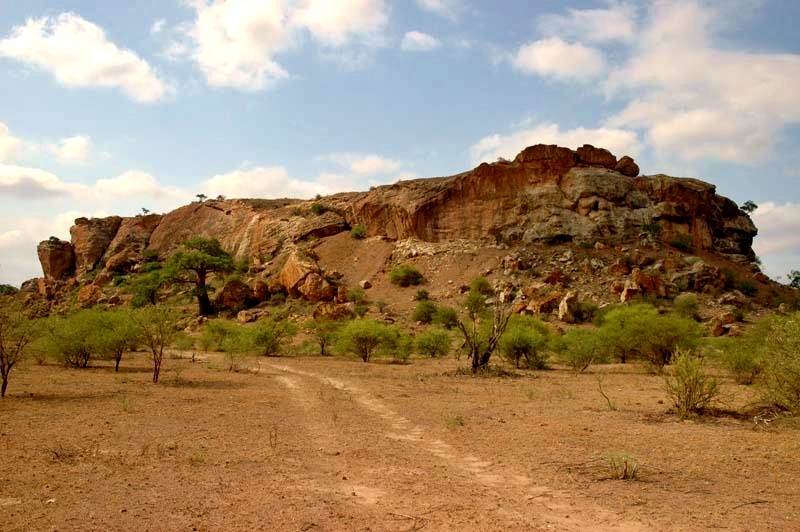 Culture & HistoryLimpopo
Mapungubwe National Park
Where the Limpopo and Shashe rivers meet, a sandstone hill holds the graves of kings buried in gold the heart of what UNESCO describes as southern Africa's first kingdom.
Verified · 4 sources
Sources 25, 41, 103, 152, 180, 264
Provincial capital confirmed via South Africa Info.